
 Friends of Beckett Street Cemetery
Uncovering histories, caring for the cemetery, shaping future legacies.
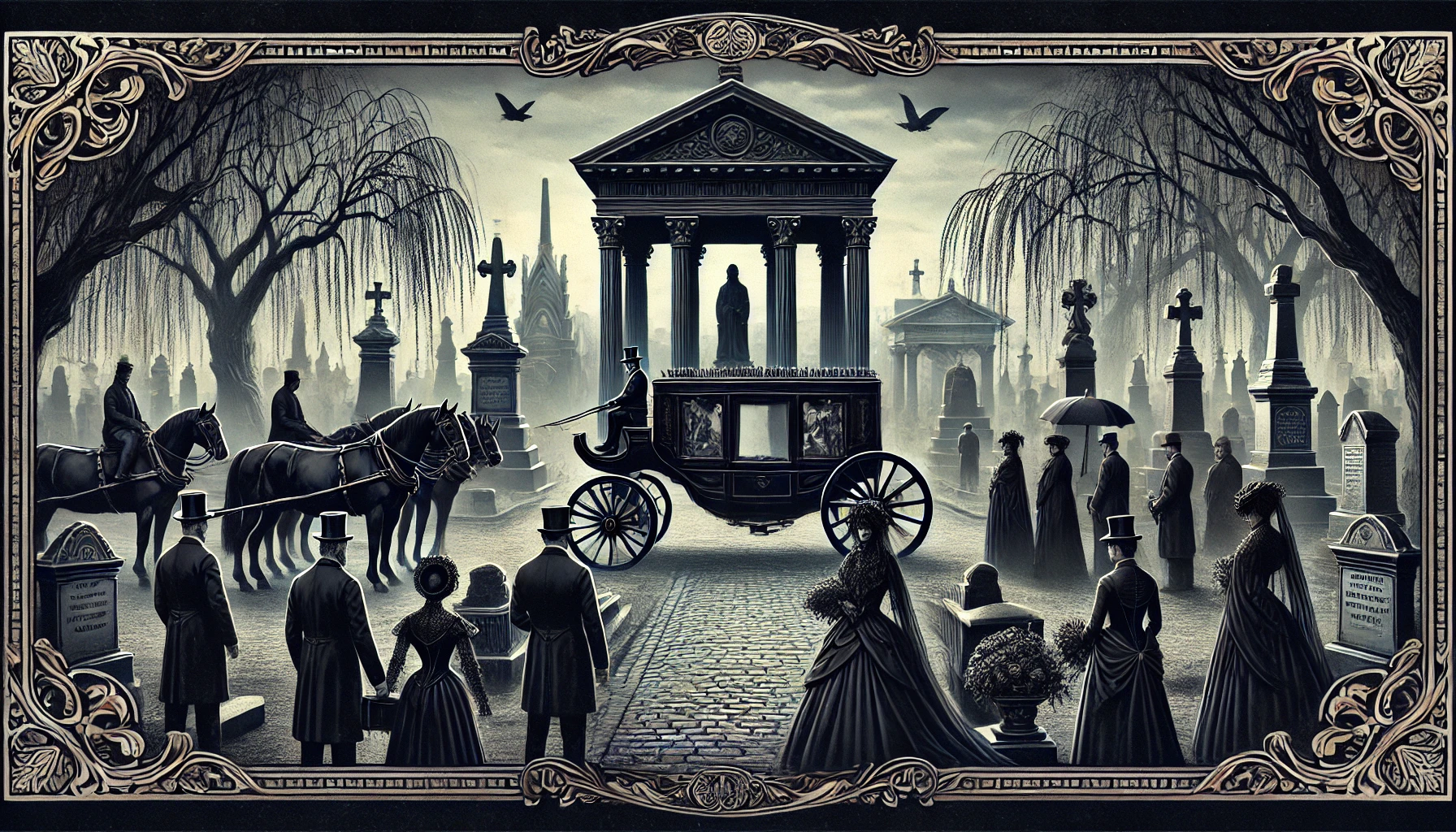
The Victorian era was a time of elaborate mourning customs, with funerals marked by strict etiquette, symbolism, and deep-rooted traditions. From dress codes to funeral roles, every aspect of death was carefully structured. Here’s an insight into the key roles and customs observed during a Victorian funeral.
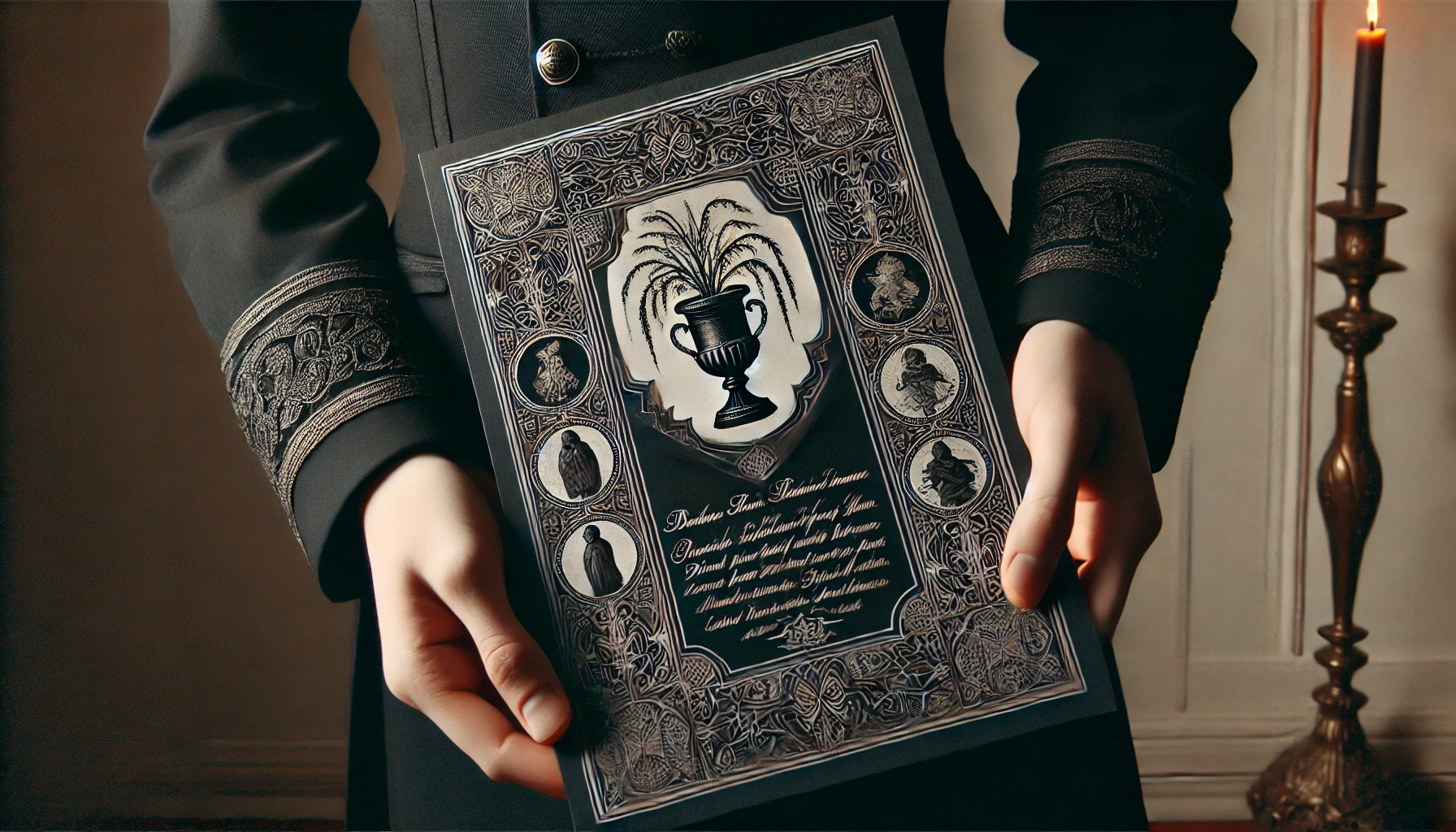
Invitation Etiquette Funerals were invitation-only events, with guests receiving hand-delivered invitations edged in black. It was considered improper to attend without an invitation, and equally rude to decline if invited. Roles in a Victorian Funeral.
Close family members, including, children, parents, and siblings, played a central role in the complex mourning customs of the Victorian era. Death was a highly ritualised event, and family members were expected to follow strict traditions that reflected both personal grief and social expectations.
When a loved one passed away, certain superstitious and practical customs were observed to honour the dead and protect the living:
Family members were expected to change into mourning clothes immediately following a death. The intensity and duration of mourning attire depended on the relationship to the deceased, with widows following the most rigid customs.
Mourning dress served as a public signal of grief, allowing the community to recognise and offer appropriate condolences. This ensured that the bereaved were treated with the respect and support expected in Victorian society.
Beyond personal mourning, family members were responsible for:
These deeply ingrained customs reflected the Victorian era’s structured approach to mourning, ensuring that grief was publicly acknowledged and respectfully observed.
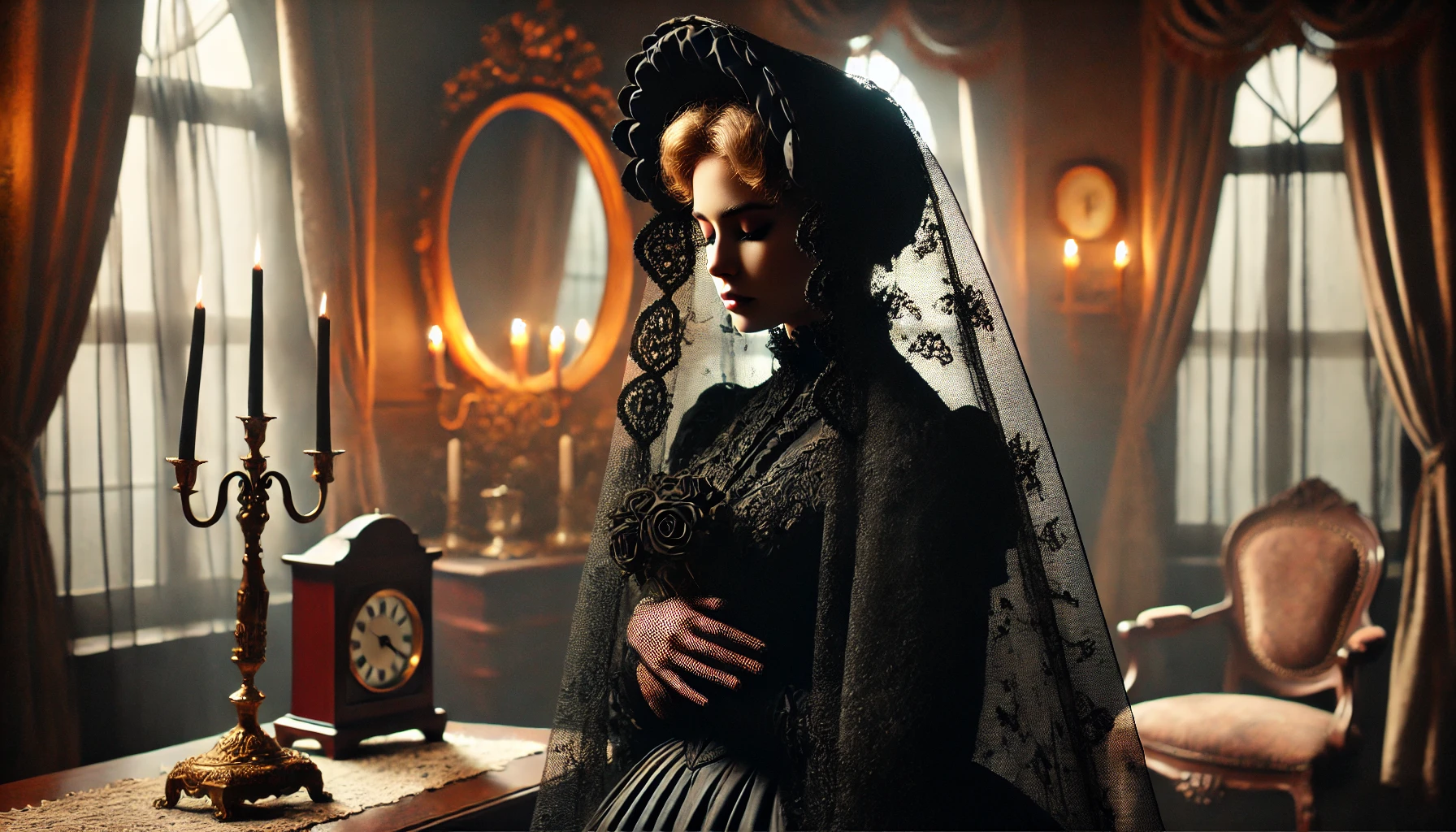
During the Victorian era, dressmakers and haberdashers played a vital role in funeral traditions by supplying mourning clothes. The strict rules surrounding mourning attire created a lucrative industry, particularly in the wake of Queen Victoria’s lifelong mourning after the death of Prince Albert in 1861.
Prince Albert’s sudden death from typhoid fever at just 42 years old plunged Queen Victoria into an extended period of deep mourning. She wore black for the remainder of her life, setting a powerful precedent that shaped Victorian mourning customs. Her example popularised the expectation that widows should wear black for extended periods, reinforcing mourning as a public and visual display of grief.
Men’s mourning attire was less elaborate but still strictly defined:
In some cases, household pets were even dressed in mourning, particularly in aristocratic families. Dogs might wear black ribbons or collars, and horses pulling the funeral carriage were often draped in black plumes and fabric, reflecting the Victorian obsession with outward displays of grief.
The role of dressmakers and haberdashers in supplying mourning attire highlights how deeply entrenched mourning rituals were in Victorian society, with fashion acting as a visible, structured expression of loss and remembrance.
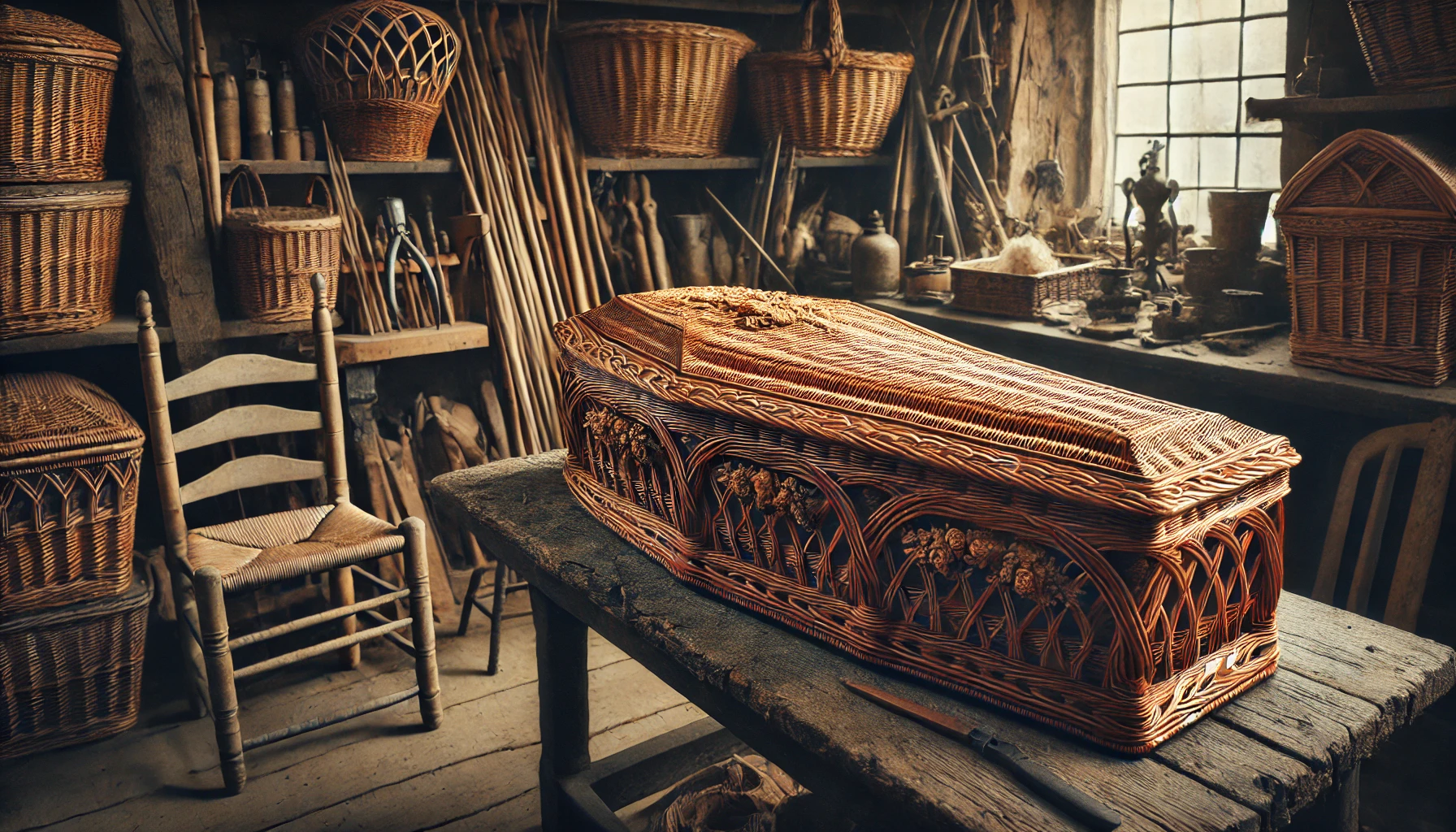
During the Victorian era, most people died at home, allowing families to care for the body and make funeral arrangements without the involvement of undertakers. However, when a person died away from home—such as while travelling, at work, or in a hospital—their body needed to be transported. In such cases, a lidded wicker coffin was commonly used, leading to the origin of the phrase "basket case."
The term originally referred to deceased individuals transported in these coffins, but its meaning shifted over time:
Interestingly, wicker coffins have seen a resurgence in modern funerals, particularly in eco-friendly burials, due to their biodegradable nature. Though once associated with necessity and practicality, they are now chosen for sustainability and simplicity—a return to a Victorian practice once considered commonplace.
The basket weaver’s role in crafting these transport coffins highlights a fascinating connection between language, funeral customs, and evolving social attitudes toward death.
In the Victorian era, mourning was a highly structured and communal event, and close family friends played a significant role in supporting the grieving household. One of their key responsibilities was decorating the home in mourning, ensuring that the household visibly signified its state of bereavement to the wider community.
Friends of the family were often tasked with draping black crepe and other mourning fabrics over doors, windows, and mirrors. The colour and style of the mourning decorations provided subtle but clear information about the deceased:
Beyond decorating the home, friends of the family often helped with other funeral and mourning arrangements:
The use of mourning crepe and ribbons was more than just a visual expression of grief—it was a Victorian social code, allowing the community to recognise and respond appropriately to the family’s loss. By taking on the task of decorating the home, close friends of the family relieved the grieving relatives of this duty, demonstrating the importance of compassion, support, and shared mourning in Victorian society.
In the Victorian era, furniture makers and undertakers often operated as one profession, reflecting the practical and economic necessity of the time. Since skilled carpenters already had the tools, materials, and expertise to craft wooden furniture, they naturally extended their trade to coffin-making. Over time, many furniture makers evolved into full-time undertakers, taking on additional funeral-related responsibilities.
During the early 19th century, "undertaking" was not yet a fully distinct profession. Instead, local tradespeople—primarily carpenters, joiners, and furniture makers—fulfilled funeral-related needs.
Victorian funerals were highly ritualised affairs, and coffins reflected social status and personal wealth:
Many of today’s funeral directors trace their origins to Victorian-era furniture makers who expanded into undertaking. The dual role of carpenter and undertaker remains an important reminder of how traditional craftsmanship, practical necessity, and evolving social customs shaped the modern funeral industry.
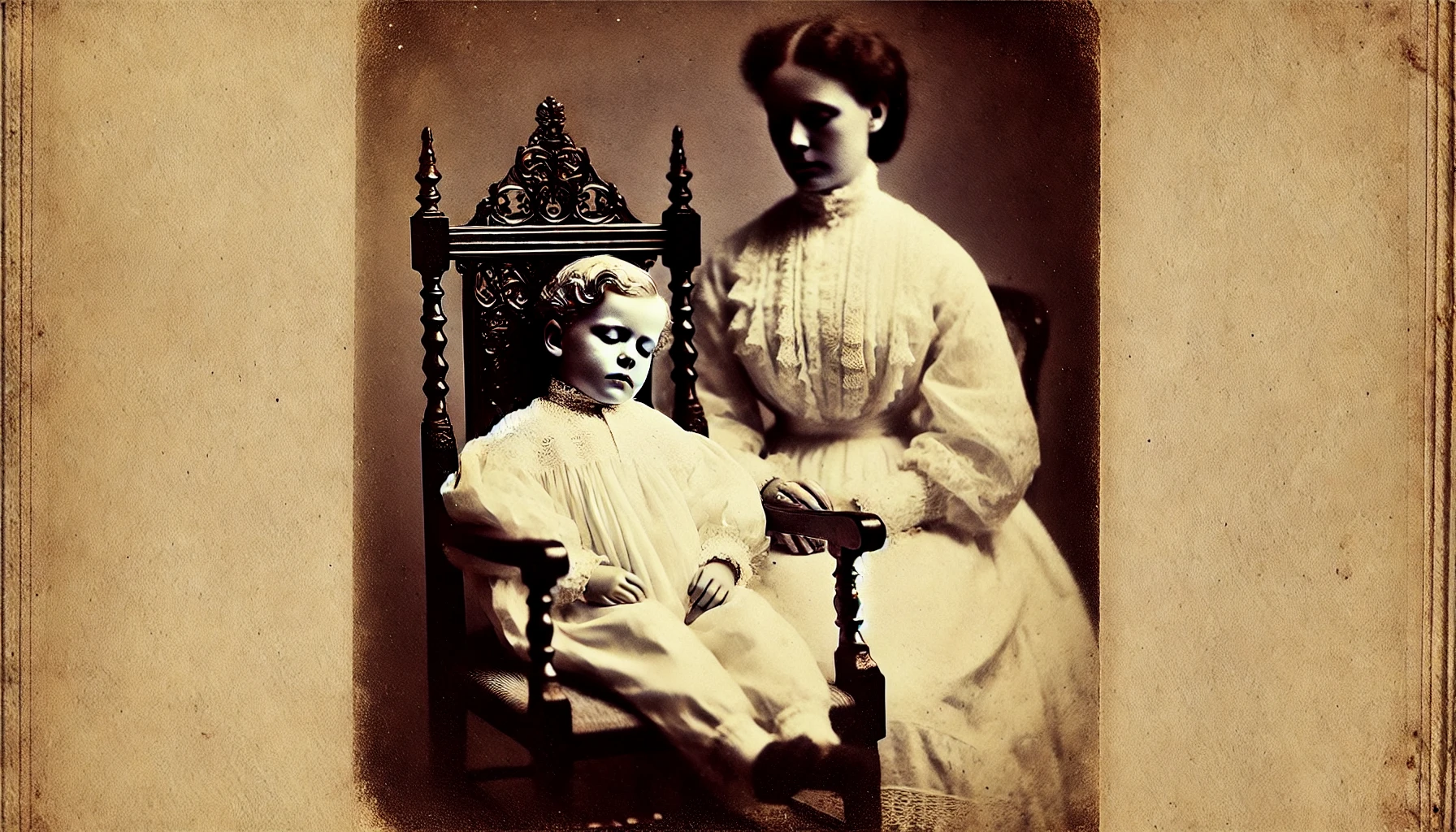
In the Victorian era, death was an ever-present reality, with high mortality rates, especially among infants and children. Photography, still a relatively new technology, became a powerful way to preserve the memory of lost loved ones, particularly when no other images of the deceased existed. This led to the widespread practice of post-mortem photography, a deeply sentimental and sometimes unsettling custom.
Victorian photographers became skilled in staging post-mortem portraits, using various techniques to create lifelike images:
Many post-mortem photographs were beautifully composed, reflecting the era’s artistic.
By the early 20th century, improvements in general photography meant that more people were captured in life, reducing the need for post-mortem portraits. Additionally, changing attitudes toward death made the practice less socially acceptable, and it gradually faded.
Despite its decline, Victorian post-mortem photography remains a fascinating and poignant reflection of how people once coped with loss, offering a unique insight into the era’s deep connection between memory, mourning, and art.
In the Victorian era, flowers played a crucial role in funeral customs, serving both symbolic and practical purposes. The choice of flowers carried deep meanings, conveying emotions and messages about the deceased, while floral arrangements also helped to mask odours before embalming became a common practice.
Victorians placed great importance on floriography (the language of flowers), and certain blooms were traditionally used in funerals and mourning:
Before modern embalming techniques became widely available, flowers played a practical role in masking odours. Fresh-cut blooms and fragrant arrangements were placed around the body during the wake, particularly in warm weather, to help preserve dignity. Large floral tributes were often displayed near the casket, filling the funeral space with their scent.
Victorian florists created elaborate floral tributes to express grief and honour the deceased:
The Victorian emphasis on symbolic funeral flowers has had a lasting influence on modern funeral traditions. Many of the floral meanings and arrangements popularised during the 19th century are still used today, demonstrating how deeply rooted the language of flowers remains in expressions of grief, love, and remembrance.
In the Victorian era, public displays of personal grief were often seen as inappropriate, especially among the upper and middle classes, where dignity and restraint were valued. However, maintaining an atmosphere of deep mourning was still considered essential. To ensure a suitably solemn tone, some families hired professional mourners—individuals whose role was to attend funerals and express grief in a socially acceptable manner.
Professional mourners served several functions at funerals:
Professional mourners typically adhered to strict mourning dress codes. Women wore long black veils, heavy crape fabrics, and gloves, while men donned dark suits with mourning bands. They walked in the funeral procession, maintained a solemn expression, and sometimes wept quietly to set the emotional tone. Unlike ancient traditions where professional mourners wailed dramatically, the Victorian version was more restrained, in keeping with the era’s ideals of decorum.
While professional mourners were more common in elaborate upper-class funerals, they were also employed by some working-class families who wished to follow the mourning customs of the time but lacked enough family members to create an appropriately sombre gathering. Some undertakers even offered mourning attendants as part of their funeral packages.
Though the practice declined in the 20th century, it highlights the Victorian era’s intricate and highly structured approach to death, mourning, and social expectations.
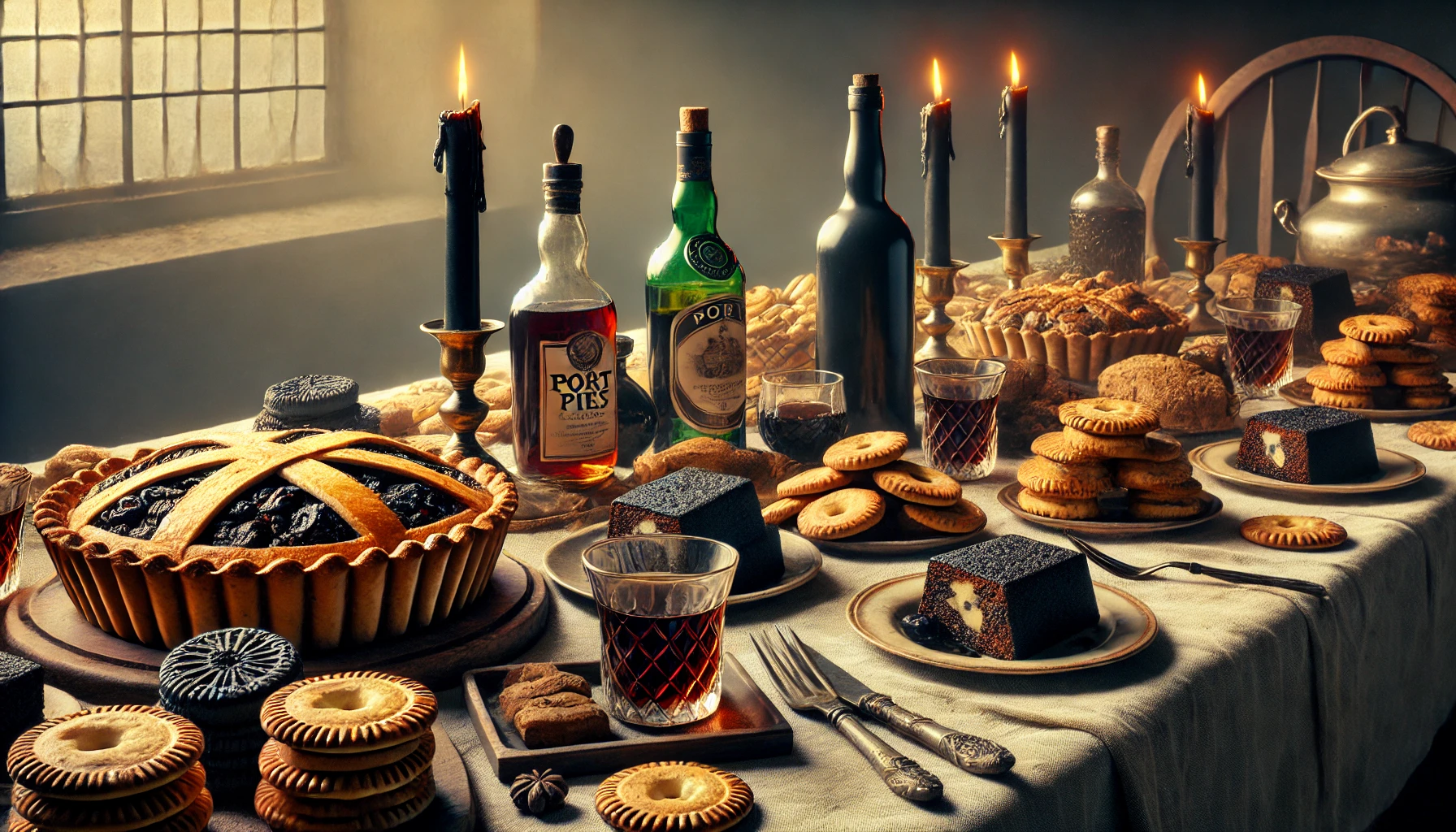
Food played an essential role in Victorian funerals. Visitors were served port pies, fruit cakes, and funeral biscuits, with the latter sometimes distributed to those unable to attend the service.
During the Victorian period, food was an integral part of funeral customs, reflecting both social traditions and a sense of hospitality in mourning.Funeral gatherings often included large meals or refreshments, particularly for those who had traveled long distances to attend. The types of food served varied by class and region, but they typically followed the sombre and dignified nature of the occasion.
The food served at Victorian funerals was not just for sustenance but carried symbolic meaning. The rich, dense nature of cakes and biscuits reflected the gravity of mourning, while the act of sharing food reinforced community support. For wealthier families, the scale of the funeral feast was also a way to display social status, while working-class families would still make efforts to provide food and drink, even if modest.
These traditions echoed the Victorian emphasis on ritual and remembrance, ensuring that mourning was a structured, communal experience rather than a private one.
The practice of sin eating was a unique and somewhat eerie funerary custom that persisted in some rural areas of Britain, particularly in Wales and the English border counties, into the 19th century. The ritual involved a "sin eater"—a person, often a social outcast or someone of low status—who was paid to ritually take on the sins of the deceased to ensure their soul could enter heaven.
The ceremony usually took place in the home of the deceased before burial. A piece of bread, a funeral biscuit, or other food was placed on the chest or face of the dead body, sometimes alongside a bowl of ale. The sin eater would then consume the food, symbolically absorbing the deceased’s sins and transferring them away from the soul, easing its passage to the afterlife.
The practice was rooted in folk beliefs that a person’s sins could be physically transferred through food and drink. The sin eater effectively acted as a scapegoat, taking the burden of sin upon themselves so that the deceased could enter heaven cleansed. The ritual had strong Christian overtones but was largely considered a folk custom rather than an official religious practice.
Sin eaters were typically poor, destitute individuals who lived on the margins of society, sometimes beggars or wandering labourers. Although they were paid a small fee or given food for their service, they were viewed with suspicion and often shunned by the community, as it was believed they carried the sins of many souls. Some even feared that the accumulated sins would weigh on the sin eater’s own soul, condemning them in the afterlife.
By the Victorian era, sin eating had largely died out, surviving only in isolated rural communities. The rise of more formal religious funerary rites and changing attitudes towards sin and salvation led to its disappearance. However, remnants of the tradition influenced later customs, such as the distribution of funeral biscuits, which may have originated from this ancient practice of consuming food linked to the dead.
The tradition of the sin eater remains a haunting example of the Victorian era’s complex relationship with death, salvation, and superstition.
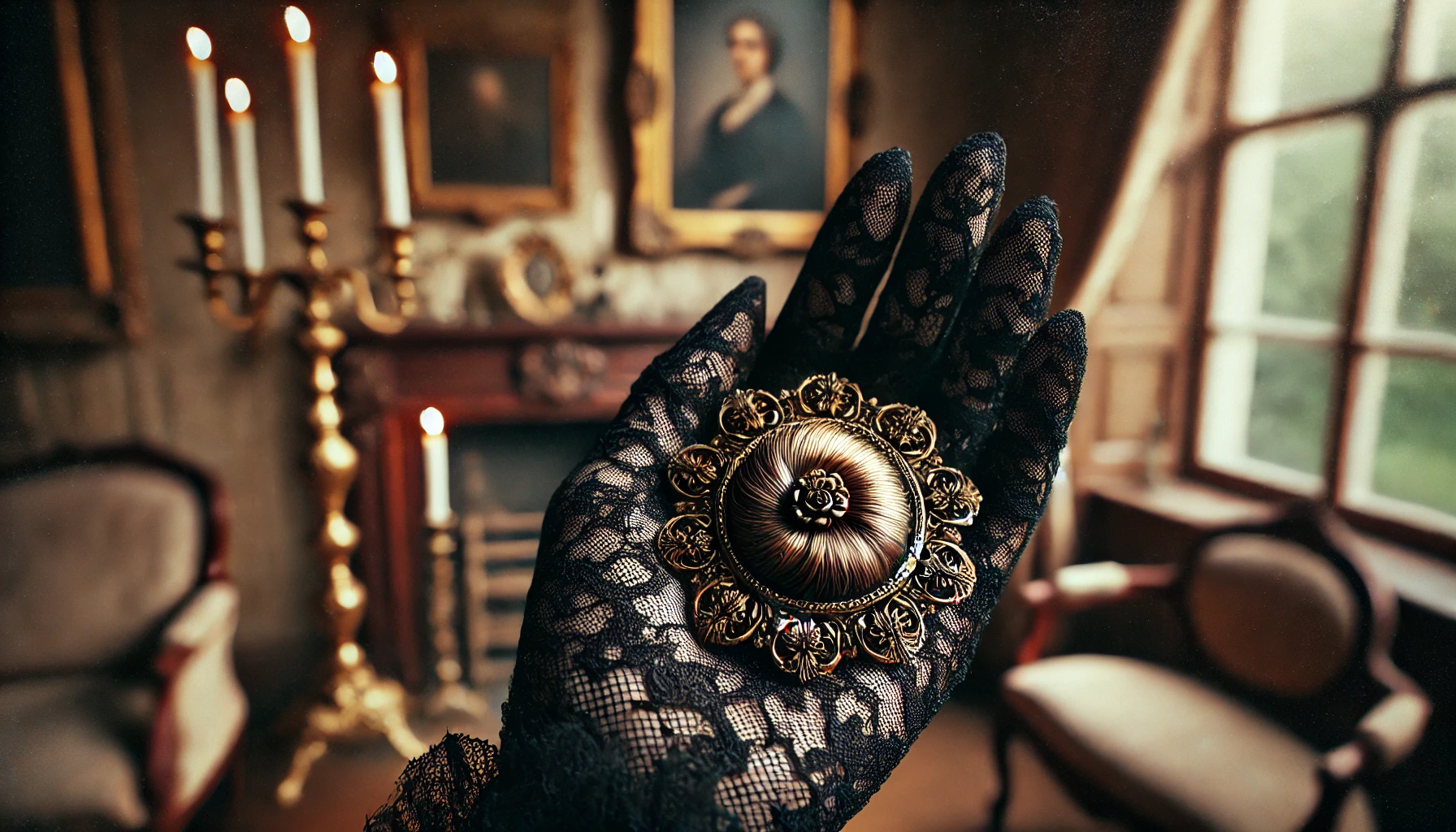
During the Victorian era, mourning jewellery played a significant role in remembering the deceased, and one of the most personal and cherished forms was hairwork jewellery. The craft of hair weaving involved creating intricate designs from the locks of loved ones, turning them into sentimental keepsakes that could be worn or displayed. These delicate pieces served as both a physical connection to the deceased and a lasting symbol of love and remembrance.
Victorian hair weavers crafted a variety of mourning mementoes, incorporating woven hair into elegant jewellery pieces:
The art of hairwork was a specialised skill, requiring delicate craftsmanship. Hair weavers used intricate techniques such as:
Hair jewellery was more than just an accessory—it held deep emotional and symbolic significance:
While hair jewellery remained popular throughout the 19th century, its decline began in the early 20th century with the rise of photography as a preferred method of remembrance. Today, surviving pieces of Victorian hairwork are highly valued as historical artifacts that offer a glimpse into the intimate mourning rituals of the past.
In the Victorian era, medical knowledge was still developing, and determining death with absolute certainty was sometimes challenging. Due to the fear of being buried alive, special precautions were taken to ensure that the deceased were truly dead before interment. This led to the creation of safety coffins, designed to allow the supposed deceased a means of escape if they were mistakenly buried.
As reports of accidental live burials surfaced, inventive solutions were developed to provide an escape or signal for help:
Fear of being buried alive was so widespread that it became known as taphophobia. In some cases, physicians performed extreme tests to confirm death, including:
Despite these efforts, mistakes still happened, fueling superstitions and leading to the creation of elaborate safety measures.
While safety coffins eventually became obsolete with the advancement of medical science and the widespread use of embalming, the fear of premature burial left a lasting mark on popular culture. Phrases such as "saved by the bell" and "dead ringer" are believed to have originated from these Victorian-era precautions.
The precautions taken by Victorians reflect their deep anxieties about death and their desire to ensure that a final resting place was truly final.
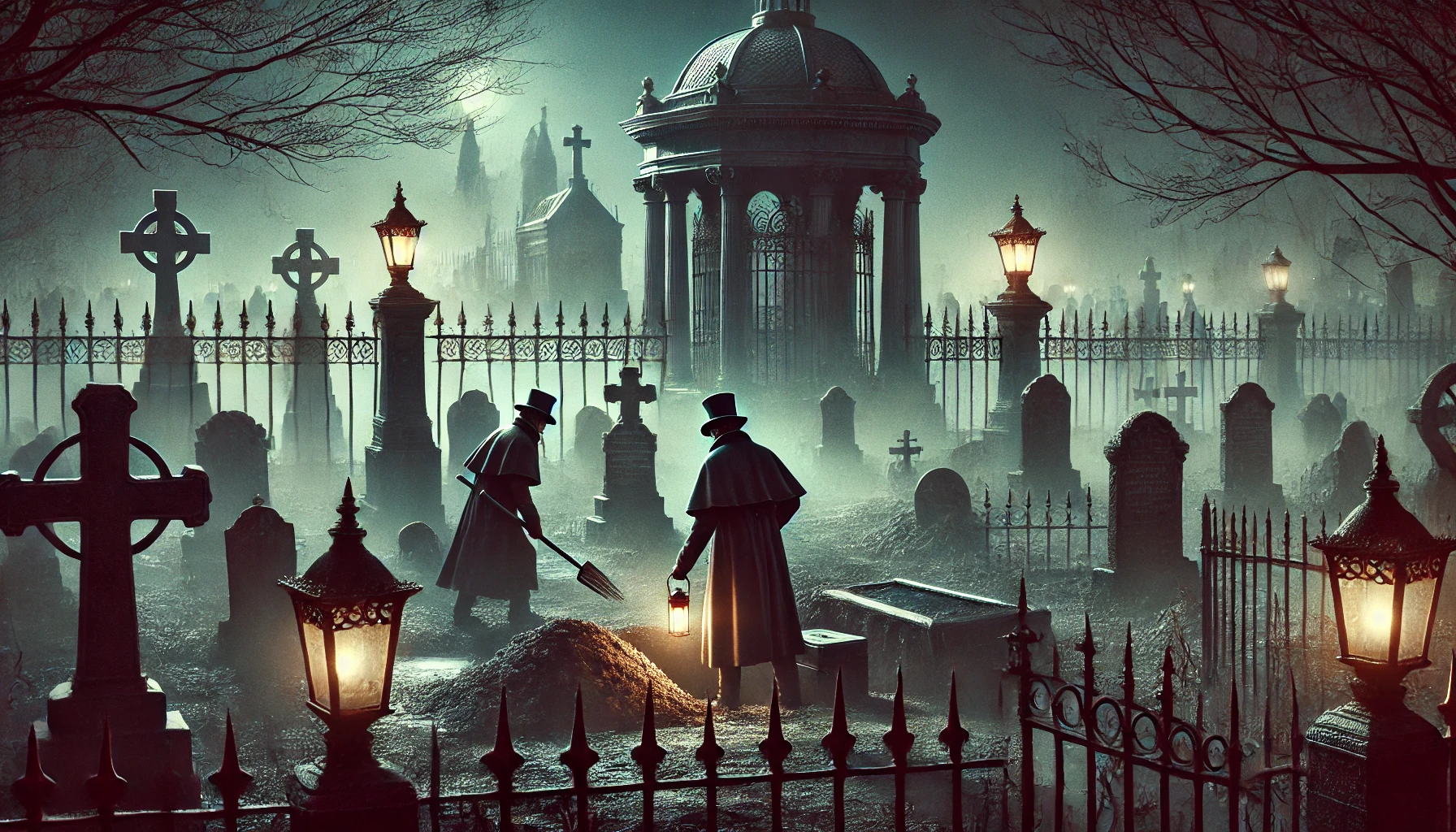
Grave robbing was a significant issue in the 1800s, driven by the growing need for human cadavers in medical research. As medical schools expanded, the demand for bodies far exceeded the legal supply, leading to the rise of body snatchers, individuals who exhumed bodies to sell to anatomists. This practice caused widespread fear and public outrage, prompting families to take drastic measures to protect their loved ones’ graves.
The shortage of legally obtained cadavers led to an underground trade in human bodies. Body snatchers, also known as resurrectionists, were often hired by medical schools and private anatomists who needed fresh corpses for dissection.
To prevent grave robbing, families and cemeteries employed various security measures:
Public outrage over grave robbing reached its peak following cases like the infamous Burke and Hare murders, where bodies were not only stolen but victims were murdered and sold for dissection. In response, the British government introduced the Anatomy Act of 1832, which aimed to regulate the supply of cadavers for medical research.
The fear of grave robbing left a profound impact on Victorian burial customs. Protective measures such as iron coffins and mortsafes remained in use for decades. Even common phrases like "rest in peace" took on a more literal meaning—families wished not only for their loved ones’ souls to be at peace but also for their bodies to remain undisturbed in the grave.
In the Victorian era, large cemeteries were designed not only as burial places but also as public spaces for reflection and leisure. As urban churchyards became overcrowded, new cemeteries were established to accommodate growing populations. These cemeteries were landscaped with grand pathways, elaborate mausoleums, and serene gardens, making them popular destinations for family outings and social gatherings.
By the early 19th century, overcrowding in church graveyards led to the development of large, landscaped cemeteries. In London, the "Magnificent Seven" cemeteries were created to provide both burial space and green areas for public use.
Other parts of the UK followed this trend, including Balgay Park Cemetery in Dundee, which combined parkland with burial grounds.
Victorian cemeteries were not viewed as solemn places of grief alone—they were destinations for leisurely day trips. Families would:
It was common for people to bring picnic baskets and spend hours in cemeteries, appreciating their tranquil atmosphere. This practice was influenced by:
Today, many historical cemeteries continue to serve as cultural and social spaces. Events such as Heritage Open Days in the UK have revived the tradition of graveside picnics, celebrating cemeteries as places of remembrance, history, and community gathering. This echoes the Victorian-era belief that cemeteries should be beautiful, reflective, and socially engaging spaces.
We strive to document all of our sources. If you have something to add, please let us know.


